Steel Sheet vs. Steel Plate: Which Do You Need for Your Cedar Rapids Project? A Guide from Your Steel Sheet Supplier in Cedar Rapids, IA
Choosing the right steel form for a Cedar Rapids project can save time, money, and rework. This guide explains the key differences between steel sheet and steel plate so you can order with confidence. Contractors, fabricators, and manufacturers in Cedar Rapids, IA, face this choice regularly, and the wrong call can slow a job or drive up costs. A trusted steel sheet supplier in Cedar Rapids, IA, can help you confirm the right spec before you order.
Sheet vs. Plate: Understanding the Core Difference
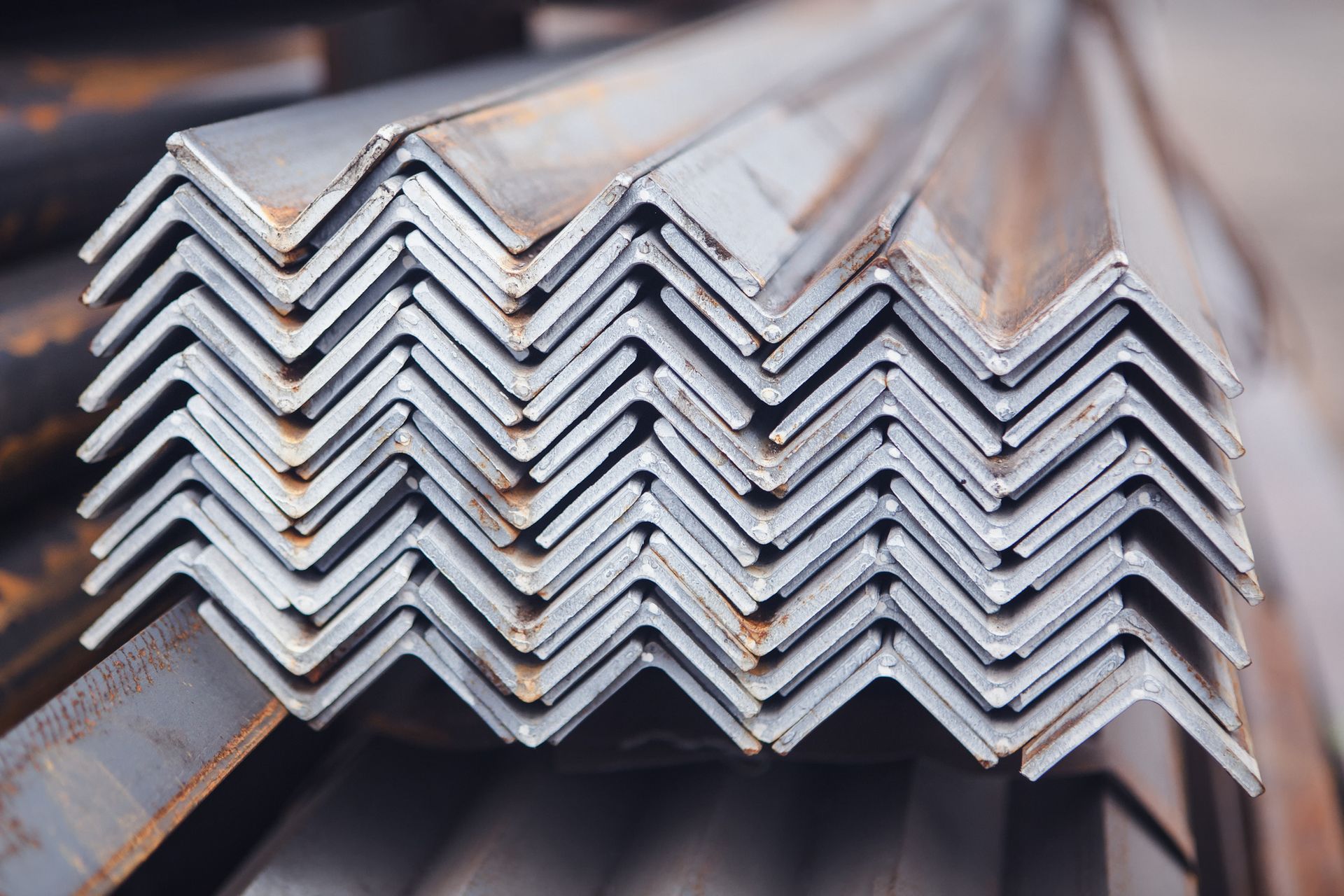
Steel sheet and steel plate are both flat-rolled products, but thickness separates them. Steel sheet is generally defined as flat steel up to 0.230 inches thick. Steel plate starts at roughly 0.250 inches (1/4") and goes up from there. That fraction of an inch makes a significant difference in strength, weight, and application.
Sheet is lighter and easier to form, cut, and bend. Plate is heavier and built to handle greater loads and stress. Knowing which category your project falls into helps you avoid over-engineering a simple job or under-speccing a structural one.
Common Applications for Steel Sheet in Cedar Rapids
Steel sheet works well for lighter fabrication and finishing work. Cedar Rapids contractors and fabricators often use it for HVAC ductwork, equipment panels and machine guards, automotive repair panels, roofing flashing, shelving components, and agricultural equipment repair. The lighter gauge makes it easier to work with hand tools and press brakes. An experienced steel sheet supplier in Cedar Rapids, IA, will stock the gauges and finishes most commonly needed for these applications.
When Steel Plate Is the Right Call
Steel plate handles structural and heavy-duty applications involving higher loads, greater impact resistance, or thicker welds. Common plate applications in the Cedar Rapids region include structural base plates for industrial equipment, bridge and infrastructure components, heavy trailer frames, wear-resistant liners in processing machinery, and tank or pressure vessel fabrication. Substituting sheet in a plate application can lead to structural failure or rejected inspections.
Hot-Rolled vs. Cold-Rolled Sheet
Steel sheet comes in two common finishes, and choosing between them affects both performance and cost.
Hot-Rolled (HR) Sheet
Hot-rolled sheet is processed at high temperatures and has a scaled, rough surface. It is typically less expensive and works well for structural applications where surface finish does not matter, such as frames, brackets, or farm equipment. Any qualified steel distributor in Cedar Rapids, IA, should carry HR sheet in standard gauges.
Cold-Rolled (CR) Sheet
Cold-rolled sheet is processed at room temperature to produce a smoother, more precise finish with tighter dimensional tolerances. It is preferred for visible panels, appliance components, and parts that will be painted or coated. Ask your local steel provider in Cedar Rapids, IA, whether CR stock is available in the gauge and width your job requires.
Should You Order Cut-to-Size?
Ordering steel cut to your exact dimensions can reduce waste and labor time. Cut-to-size makes sense when your project uses non-standard dimensions, when you want to reduce handling and scrap, or when your team lacks the equipment to process full stock. Many Cedar Rapids fabricators find pre-cut material allows faster turnaround on repeat jobs and production runs. A local steel sheet supplier in Cedar Rapids, IA, can often turn around custom cuts faster than a distributor shipping from out of state.
What Is the Thickness Threshold Between Steel Sheet and Steel Plate?
Steel sheet is generally material up to 0.230 inches thick. Steel plate begins at approximately 0.250 inches. This boundary may vary slightly by supplier, so confirm thickness requirements before ordering.
Can I Use Steel Sheet Instead of Plate to Save Money?
Sheet may cost less per pound, but substituting it for plate in structural or load-bearing applications creates safety and compliance risks. Always match the material spec to your engineering requirements rather than choosing on price alone.
What Steel Grade Should I Order?
Grade depends on the application. A36 is a common general-purpose steel used across construction and fabrication. Higher-strength grades may be needed for structural or impact-resistant work. A knowledgeable local supplier can help you match the right grade to your project.
Does Marion Iron Offer Cut-to-Size Steel Sheet and Plate?
Yes. Cut-to-size options for sheet and plate are available for Cedar Rapids contractors and fabricators.
Get the Right Steel for Your Cedar Rapids Project
Thickness, load requirements, and surface finish drive most sheet-vs.-plate decisions. If your application involves forming, panels, or light fabrication, sheet is likely your material. If it involves structural load, wear resistance, or heavy welding, plate is the safer spec.
Marion Iron Co. has served the Cedar Rapids, IA, area for decades as a reliable steel sheet supplier in Cedar Rapids, IA, stocking sheet, plate, bars, and custom-cut materials for contractors and fabricators across the region. Call (319) 377-1527 or reach out online to get started. You can also find Marion Iron Co. on Google to read reviews and get directions.